
Improving Sidewalks Is Public Safety, Economic Policy, and Basic Dignity
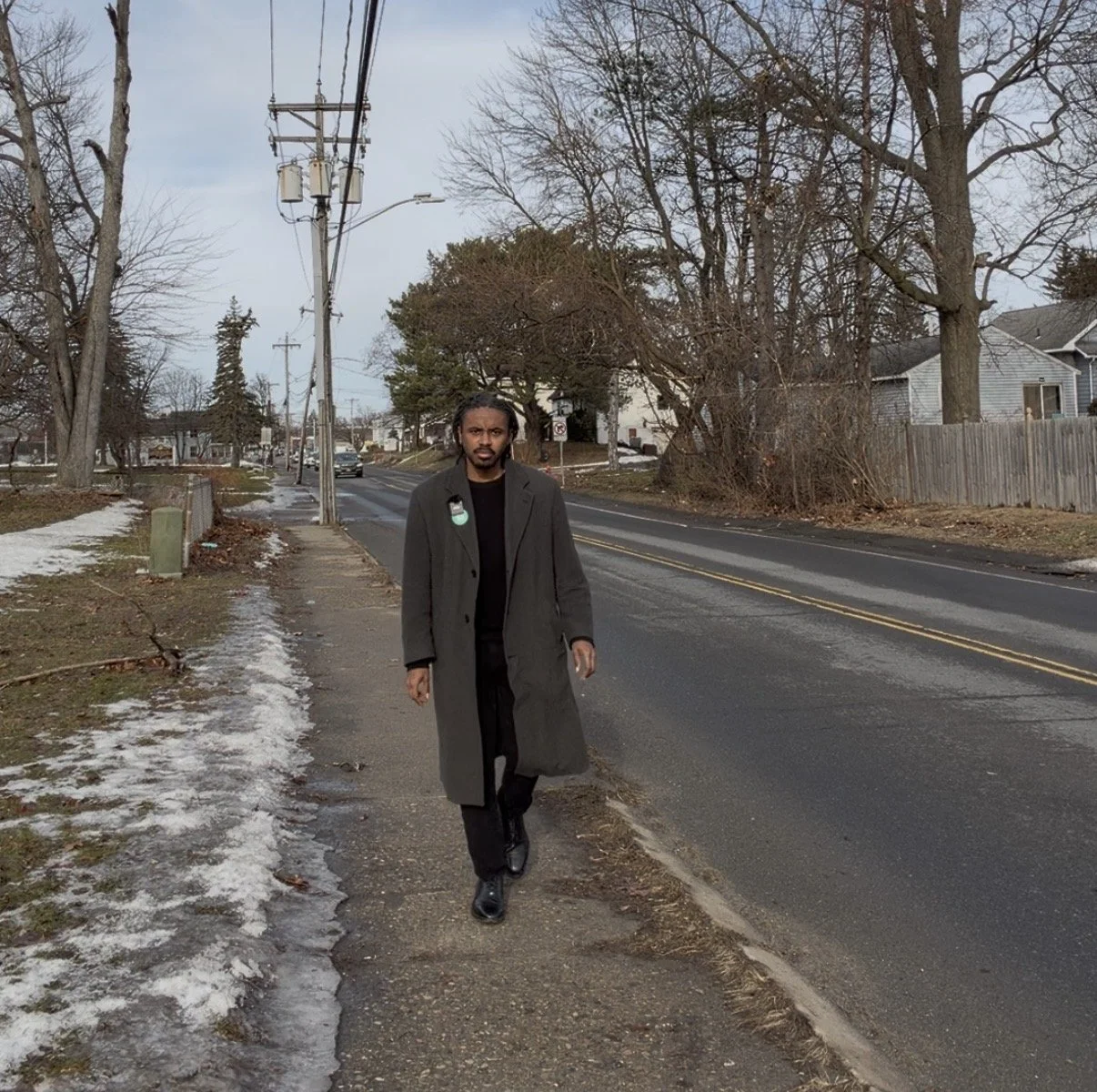
Orlondo Otis Hundley II believes sidewalks are not a luxury or an afterthought. They are essential public infrastructure that directly affects safety accessibility public health and local economic growth. When sidewalks are cracked uneven missing or poorly maintained the cost is not abstract. It shows up as injuries lost mobility higher insurance claims and entire neighborhoods cut off from opportunity.
In Schenectady too many residents navigate broken sidewalks every day. Seniors struggle to walk safely. Parents push strollers into traffic because curb cuts are missing. People with disabilities are forced to take dangerous detours or stay home altogether. These are not minor inconveniences. They are failures of basic governance.
Sidewalks Are Public Safety Infrastructure
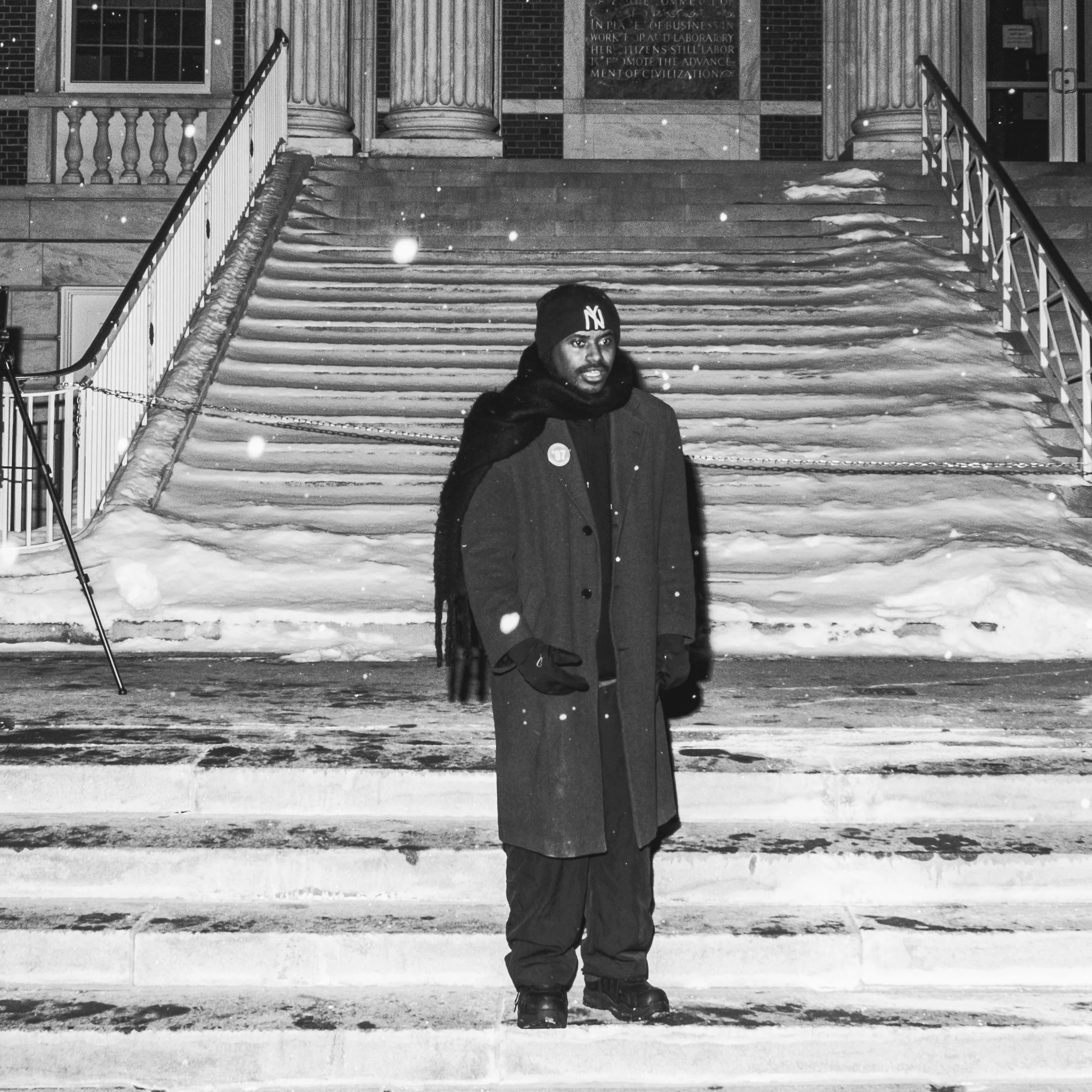
Well maintained sidewalks reduce pedestrian injuries and prevent accidents involving cars bicycles and people. When sidewalks are damaged or nonexistent pedestrians are pushed into the street increasing the risk of serious harm. Improving sidewalks is one of the most cost effective ways a city can reduce emergency room visits lower liability claims and prevent avoidable injuries.
Sidewalks also matter in winter. Snow and ice removal on broken or uneven pavement creates hazards that linger long after a storm. A city that invests in sidewalks invests in safer winters for everyone.
Sidewalks Drive Local Economic Activity
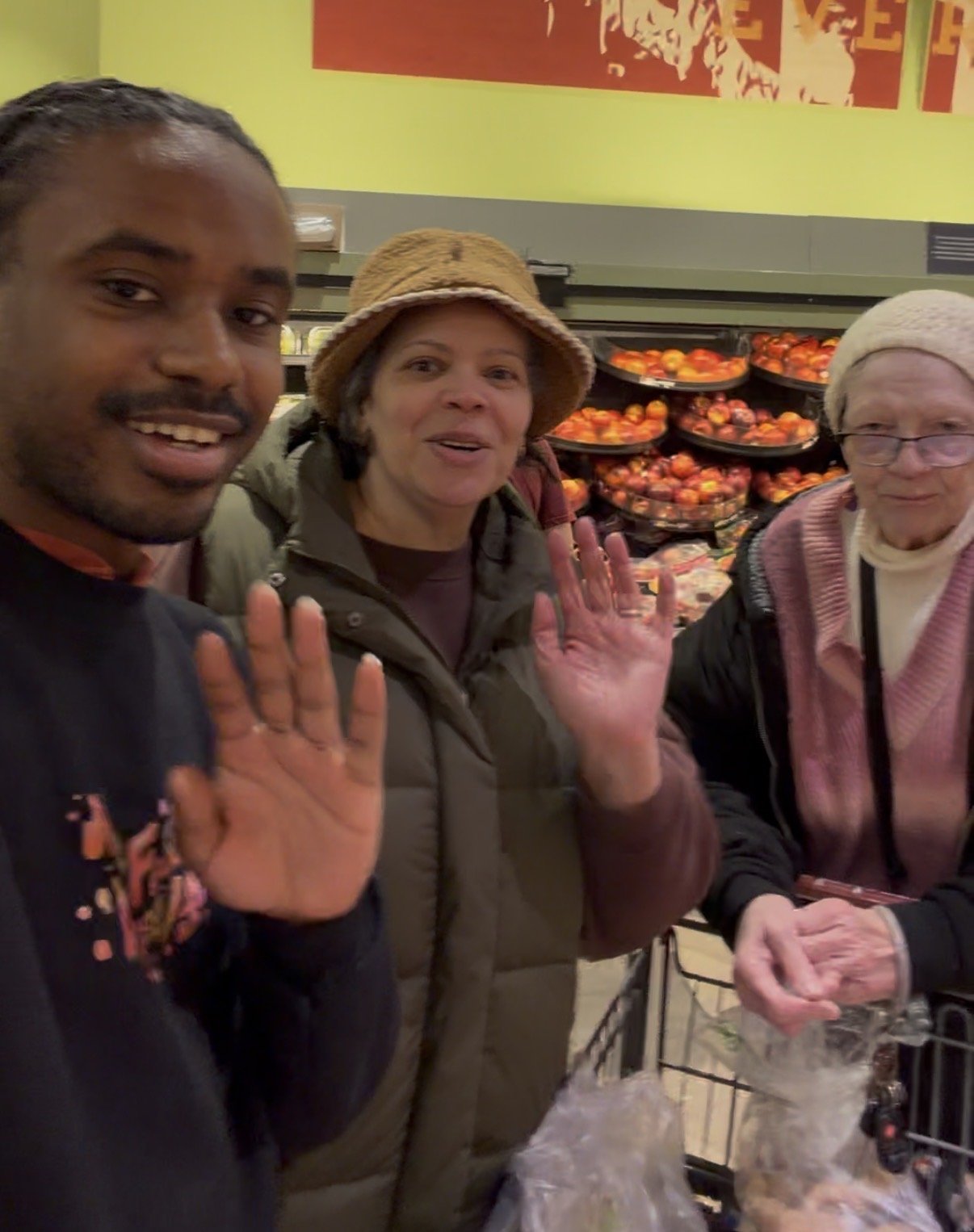
Sidewalks are economic infrastructure. Businesses thrive when people can walk safely between shops restaurants schools and transit stops. Neighborhoods with walkable streets see higher foot traffic stronger local commerce and more stable property values.
When sidewalks are ignored entire corridors become hostile to small businesses. People drive past instead of stopping. Tourists avoid walking areas that feel unsafe. Improving sidewalks keeps dollars circulating locally and supports the kind of street level economy that makes cities resilient.
Sidewalks Are About Accessibility and Civil Rights
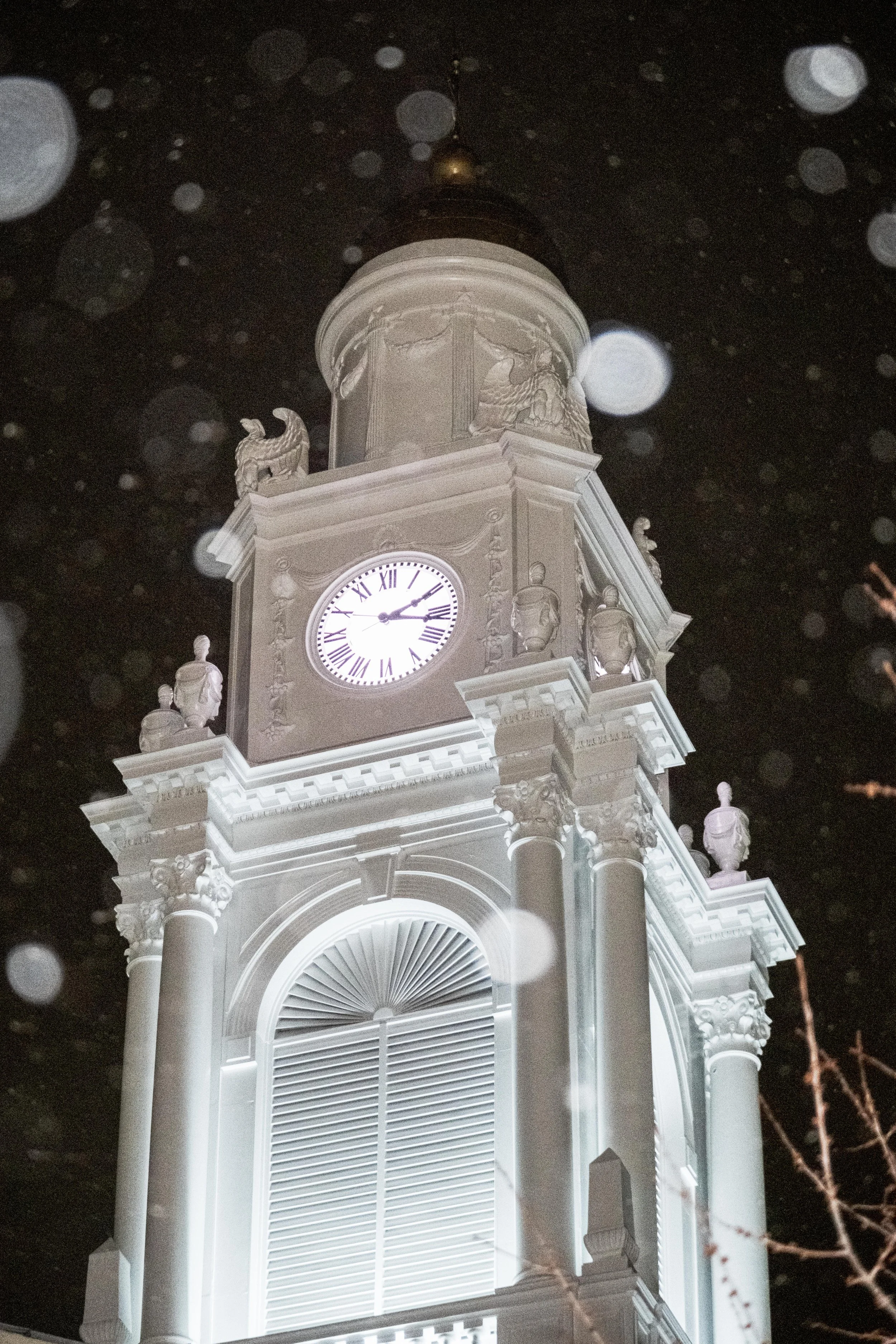
Sidewalks are how people participate in public life. For residents with disabilities accessible sidewalks are not optional. They are required for equal access to jobs education healthcare and civic spaces. Cracked pavement missing curb ramps and poor design effectively exclude people from their own city.
A city that does not maintain its sidewalks is deciding who gets to move freely and who does not. That is not acceptable.
A Smarter Approach to Sidewalk Improvement
Improving sidewalks requires planning transparency and fairness. The city must prioritize high traffic areas routes near schools transit hubs and neighborhoods that have been historically neglected. Costs should not be unfairly pushed onto homeowners while large institutions and absentee landlords escape responsibility.
Sidewalk investment should be coordinated with street repairs utility work and accessibility upgrades so money is not wasted redoing the same areas again and again. This is how we deliver better service without raising costs on working families.
The Vision Going Forward
Schenectady deserves sidewalks that are safe accessible and built to last. Improving them is not about aesthetics. It is about safety dignity economic opportunity and the simple right to move through your city without fear.
Learn more about this policy and the full vision for Schenectady at
www.orlondoformayor.com
If you believe in building a city that works for people support the campaign here
https://secure.actblue.com/donate/orlondo-hundley-1
Together we can fix what has been ignored and build infrastructure that actually serves the public.