
Building Communication and Language Centers Across Schenectady
A City Policy for Expression, Literacy, and the Future of Human Communication
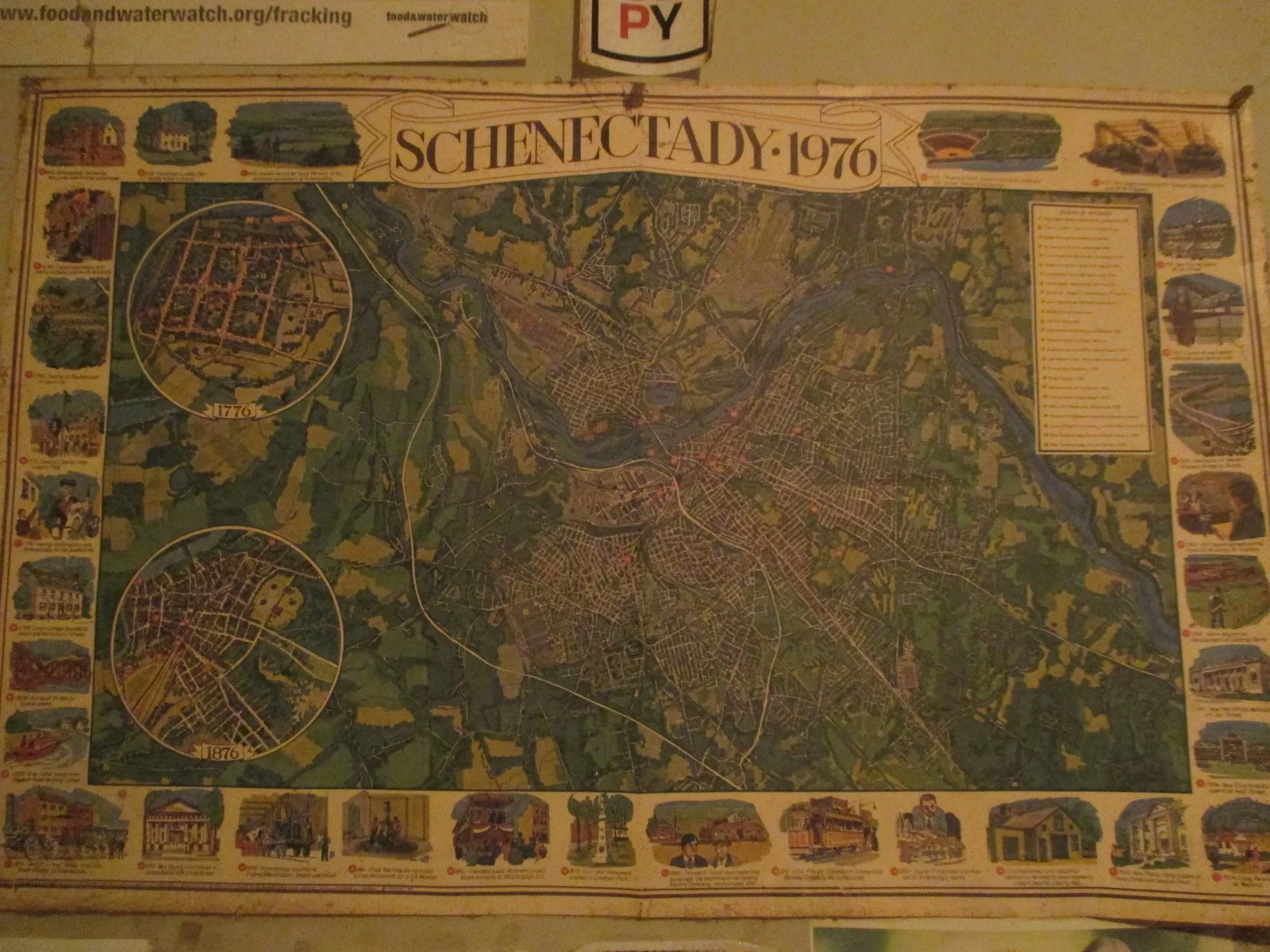
Schenectady has always been a city shaped by ideas, voices, and innovation. From labor halls to classrooms, from poetry readings to protest lines, communication has been the foundation of our civic life. As technology reshapes how people speak, write, and understand one another, our city must ensure that young people are not left behind or silenced by systems they did not design.
This policy proposes the creation of Communication and Language Centers across Schenectady. These would be public, neighborhood based spaces dedicated to developing language, expression, and critical communication skills for young residents.
These centers are not luxuries. They are civic infrastructure.
Why Communication Centers Matter
Young people today are growing up in a world dominated by automation, shortened attention spans, AI generated content, and shrinking public literacy spaces. At the same time, schools are under resourced, arts programs are often the first to be cut, and informal learning environments are disappearing.
If Schenectady wants a future workforce that can advocate for itself, participate meaningfully in democracy, and compete globally, we must invest locally in how people learn to communicate.
These centers would act as a public insurance policy ensuring every young person has access to the tools of language regardless of income, background, or school district.
What These Centers Would Offer
Each Communication and Language Center would provide free or low cost programming in areas such as
Spoken and Public Communication
• Public speaking and speech confidence
• Debate and civic discourse workshops
• Presentation skills for school, work, and community leadership
• Storytelling, oral history, and spoken word practice
Multilingual and Cultural Language Skills
• Spanish, French, Arabic, Mandarin, and other commonly spoken languages in our region
• Conversation based language learning focused on real use
• Cultural literacy connected to language learning
• Translation and interpretation basics
Sign Language and Accessible Communication
• American Sign Language instruction
• Communication across hearing and non hearing communities
• Inclusive communication practices for public spaces
Writing, Literacy, and Hand Skills
• Reading comprehension and analytical writing
• Cursive writing and historical document literacy
• Understanding original manuscripts, archives, and primary sources
• Editing, grammar, and clear written expression
Media Literacy and AI Awareness
• How to distinguish original human writing from AI generated content
• Understanding algorithmic bias and digital manipulation
• Ethical use of AI tools in school and work
• Fact checking, sourcing, and credibility evaluation
Creative and Digital Expression
• Poetry, songwriting, and lyric writing
• Scriptwriting and dialogue development
• Podcasting, radio, and audio storytelling
• Responsible use of social media as a communication tool
Locations and Accessibility
Centers should be
• Distributed across neighborhoods rather than centralized in one building
• Located near libraries, schools, community centers, and transit lines
• Open after school, evenings, and weekends
• Free for youth and affordable for adults
Mobile pop up versions can serve parks, housing complexes, and schools.
Who Teaches and Leads
These centers would rely on
• Local educators and retired teachers
• Artists, writers, journalists, and translators
• Deaf community leaders and ASL instructors
• College students and trained peer mentors
• Community elders preserving oral history
This approach keeps knowledge local, wages local, and culture rooted in Schenectady.
Economic and Civic Benefits
Investing in communication skills
• Improves academic performance across all subjects
• Builds workforce readiness for any career path
• Strengthens civic participation and public trust
• Reduces misinformation and digital manipulation
• Creates safer, more confident, and more expressive communities
A city that teaches its people how to speak, listen, and think clearly is a city that governs better.
A Commitment to Human Expression
In an age where machines can generate language instantly, human communication becomes more valuable, not less.
Schenectady must lead by recognizing that expression is infrastructure, literacy is public safety, and communication is the backbone of democracy.
By building Communication and Language Centers across our city, we are not just teaching skills. We are protecting the future voice of Schenectady.